Why We Chose Notion for Brand Campaign Management (And Why You Should Take a Breath)
Most product brands are running campaigns without knowing if they're actually working until it's too late.
Most product brands are running campaigns without knowing if they're actually working until it's too late.
They're posting. They're running ads. They're launching email flows. And somewhere between Slack threads, Google Sheets, Asana boards, and monthly reports that show up three weeks late, they're losing their minds trying to figure out what's actually working.
Here's what nobody wants to admit. The problem isn't that you need more tools. The problem is that you have too many of them and none of them are talking to each other.
So take a breath. Seriously. Sit down for a second.
Because what we're about to tell you might sound counterintuitive, but it works.
Why We Picked Notion (When Everyone Else Is Building SaaS)
We didn't set out to build another project management tool. The world doesn't need another dashboard that promises to "revolutionize workflows" and ends up collecting digital dust after the first two weeks.
What the world needs is a system that actually makes sense for how brand teams work. And after testing everything, Asana, ClickUp, Monday, Airtable, custom builds, we kept coming back to Notion.
Why?
Because Notion is flexible without being chaotic. It's powerful without requiring your team to become database engineers. And most importantly, it's the one tool teams were already using for something, which meant we weren't asking them to adopt yet another login.
Notion lets us build custom infrastructures for each brand without forcing them into a rigid template that doesn't fit how they think. It scales with you. It adapts to your workflow instead of making you adapt to it. And it doesn't feel like homework every time you open it.
That matters more than people realize.
What BrandOS Is (And How It Fits Into Campaign OS)
BrandOS is the campaign management infrastructure we build in Notion for our clients. It's one of the core tools inside Campaign OS, our overall engine for running brand campaigns that actually work.
Campaign OS is the full system, the strategy, the creative, the execution, the feedback loops. BrandOS is the operational backbone that keeps everything visible and moving.
It's not a template you download and figure out yourself. It's a living system we set up, customize, and evolve with each brand based on how their team actually works.
One central place where you can track campaigns, revenue, ad spend, email performance, tasks, and everything else that used to live in seventeen different tabs you'd lose the second you closed your browser.
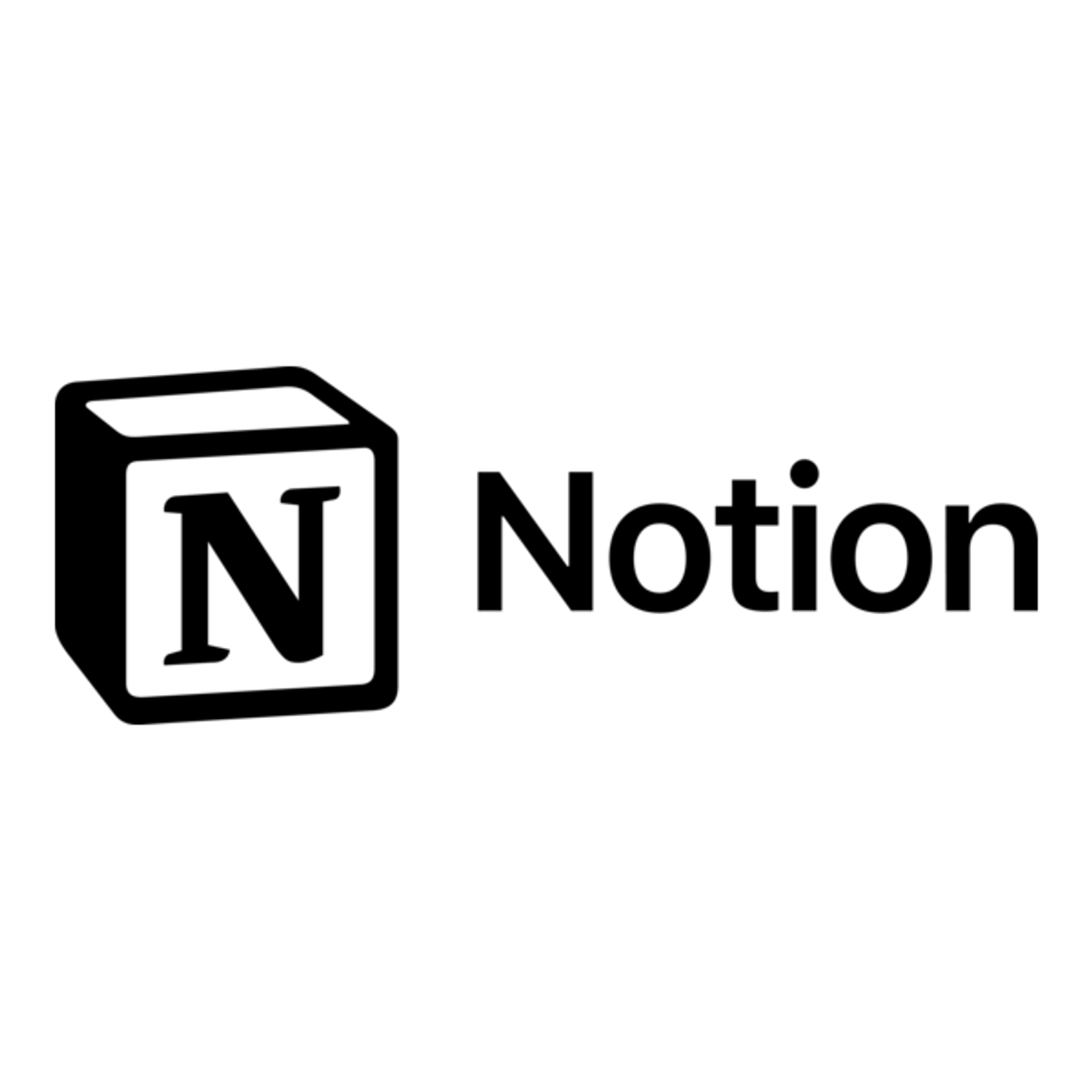
Monthly performance snapshots. Real-time revenue tracking. MER and ROAS at a glance. Tasks tied to specific campaigns so nothing falls through the cracks. Everything connected so you can actually see what just happened and how to improve it.
And here's the thing. Brands using base systems like this inside Campaign OS are seeing up to a 40% increase in predictable revenue. Not because they're spending more. Because they can finally see what's happening day to day and make decisions before momentum dies.
We're Building This With Our Clients
This is just the beginning.
BrandOS isn't a static product we sell and forget about. It's a system that evolves every time we roll it out to a new client. We see what works. We see what breaks. We see what needs to exist that doesn't yet. Then we build it.
We're continuously improving it based on real feedback from real teams running real campaigns. Not theory. Not what some PM thinks might be useful. What actually helps product brands move faster and smarter.
And as AI tools get better, the system will evolve with them. Automations that pull data without manual entry. Smart views that surface what you need to see without digging. Predictive insights that flag problems before they tank your quarter.
But the foundation stays the same. Give teams clarity. Remove chaos. Make the invisible visible.
Why You Need to Take a Step Back
If you're running campaigns right now and feel like you're drowning in tools, tabs, and to do lists that never get shorter, here's what we want you to hear.
Stop. Breathe. Take a second.
Chasing trends and hoping it works is hurting all of us. None of us have all the answers. But if you can manage campaigns in a way that lets you see what just happened and how to improve it, you can dramatically increase the outcome.
You don't need seventeen tools. You need one system that actually works.
Most teams are winging it with scattered spreadsheets and Slack threads where important decisions get buried under GIF reactions. That's not a workflow. That's chaos with notifications.
The brands that win aren't necessarily the ones with the biggest budgets or the fanciest tech stack. They're the ones who stopped long enough to implement a system that makes sense for their team. Then they executed inside that system instead of constantly switching to the next shiny tool.
What This Looks Like in Practice
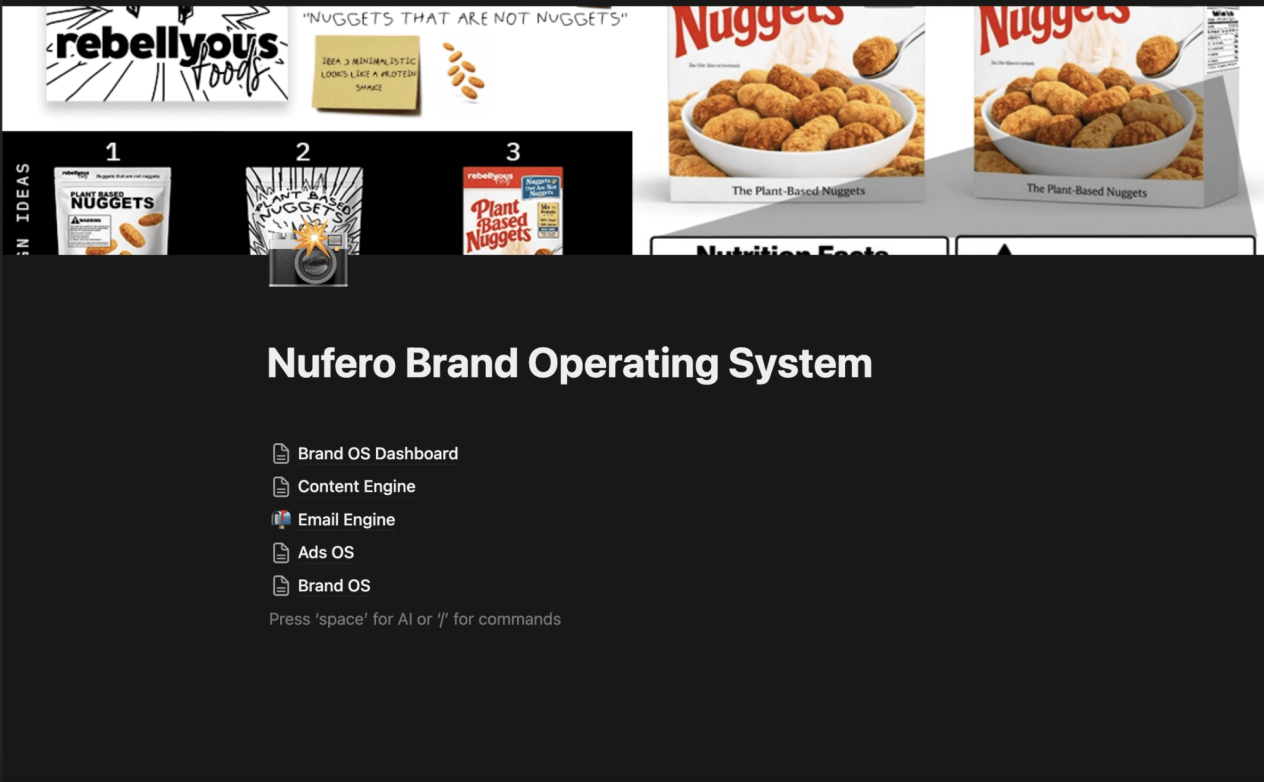
When we set up BrandOS as part of Campaign OS for a client, it's custom-built around how their team actually operates.
We don't force a rigid structure. We ask questions. How do you run campaigns now? Where does information get lost? What do you wish you could see at a glance? What would make your team's life easier?
Then we build that in Notion.
The result is a central nervous system for brand campaigns. Everything lives in one place. Your team knows where to go for answers. You can see performance in real time instead of waiting for a report that's already outdated by the time you read it.
And because it's in Notion, it grows with you. Need to add a new view? Done. Want to track a different metric? Easy. Your brand evolves and the system evolves with it.
No waiting for a developer. No submitting feature requests that disappear into a void. Just build what you need when you need it.
The Honest Truth About Tools
Here's the thing most people don't want to say out loud.
The tool doesn't matter as much as you think it does.
We chose Notion because it works for us and for the brands we work with. But the real shift isn't switching to Notion. It's deciding to stop flying blind and start building a system that gives you clarity.
You could do this in Airtable. You could do it in Coda. You could probably even do it in a really well-organized spreadsheet if you were patient enough.
The point isn't the platform. The point is having one place where your team can see what's working, what's not, and what needs attention today. Where nothing falls through the cracks. Where decisions get made based on data instead of vibes.
That's what changes outcomes.
What Comes Next
We're rolling BrandOS as part of Campaign OS out to more clients in 2026. Each one is custom built. Each one gets better because of what we learned from the last one.
If you're interested in seeing how this could work for your brand, reach out. We'll walk through what's currently holding your campaigns back and whether this kind of system makes sense for how your team operates.
And if you're already using something that's working for you, we'd genuinely love to hear about it. The best ideas come from seeing what other teams are doing to stay sane while running campaigns.
Because at the end of the day, the goal isn't to have the fanciest system. It's to have one that actually helps you move faster and smarter without losing your mind in the process.
So take a breath. You don't need to figure this out alone.
We're building with our clients. Not for them. With them.
And that makes all the difference.