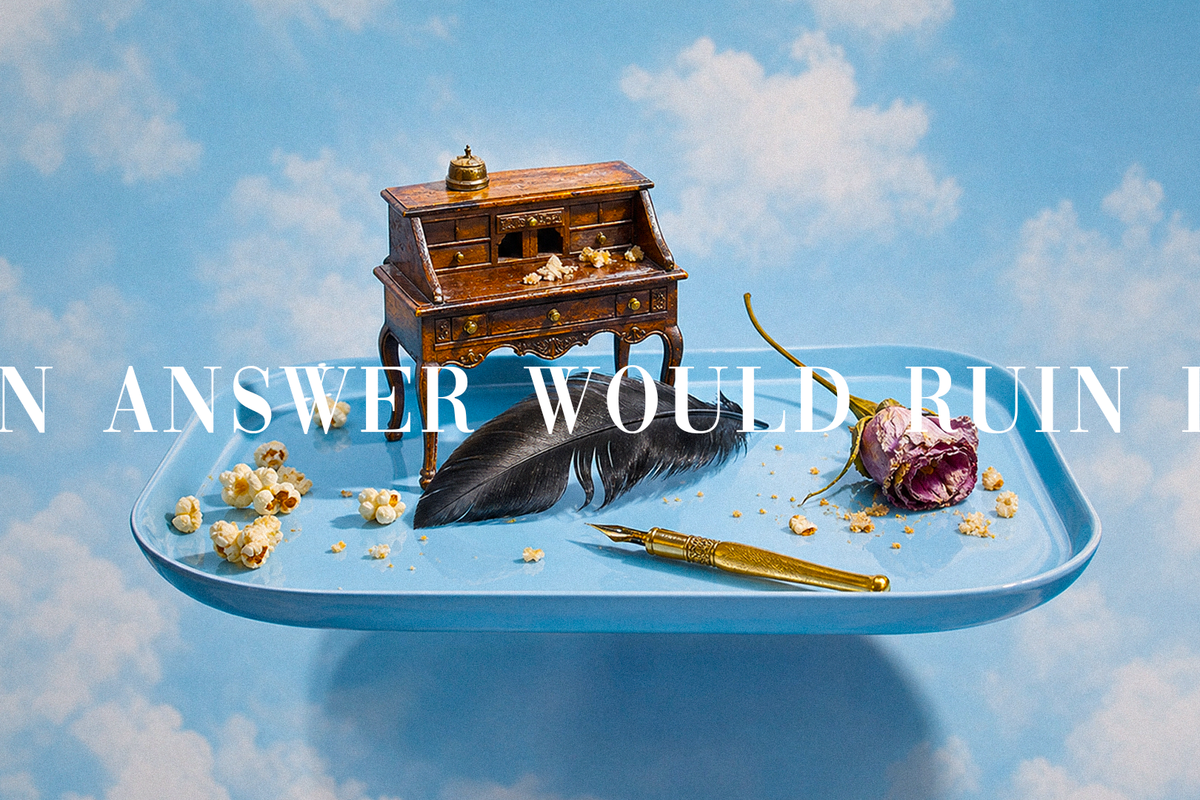
What the Fuck Do a Raven and a Writing Desk Have in Common?
No logic. No explanation. Just the case for letting ideas make no sense at all.
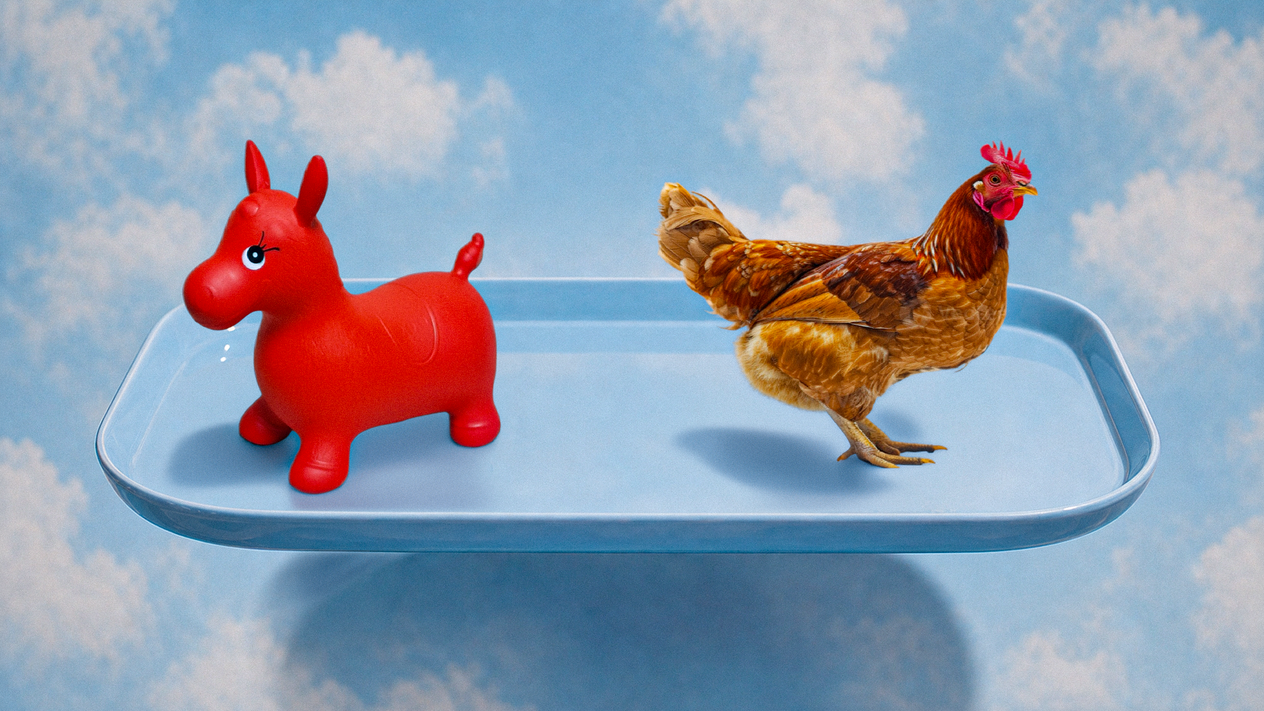
Nothing. That's the answer. And it's the best one you're getting today.
Nobody has it. Nobody ever did. And here's what nobody tells you: the question works better without an answer.
Stop asking permission from logic
Somewhere along the way we got trained to distrust an idea until we could defend it in a slide deck. Fine, rigor matters. But there's a massive difference between explaining a decision after you've made it, and needing an excuse to be allowed to make it in the first place.
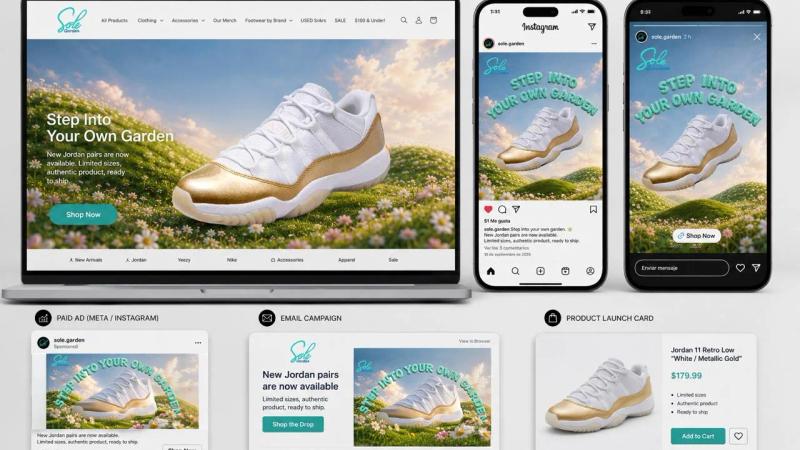
Virgil Abloh built an entire career on this. His famous "3% rule" was never really about how much to change, it was permission. Permission to take something that already exists and say "this is mine now" just by nudging it. Jonathan Anderson does the opposite: he takes the most boringly ordinary object, a tin can, an egg, a padlock, and dares it to become a bag, an icon, something people actually pay to carry. Neither of them was solving anything. They were proving the unanswered question WAS the work.
That's not a marketing trick. That's a stance. And it takes balls to hold it.
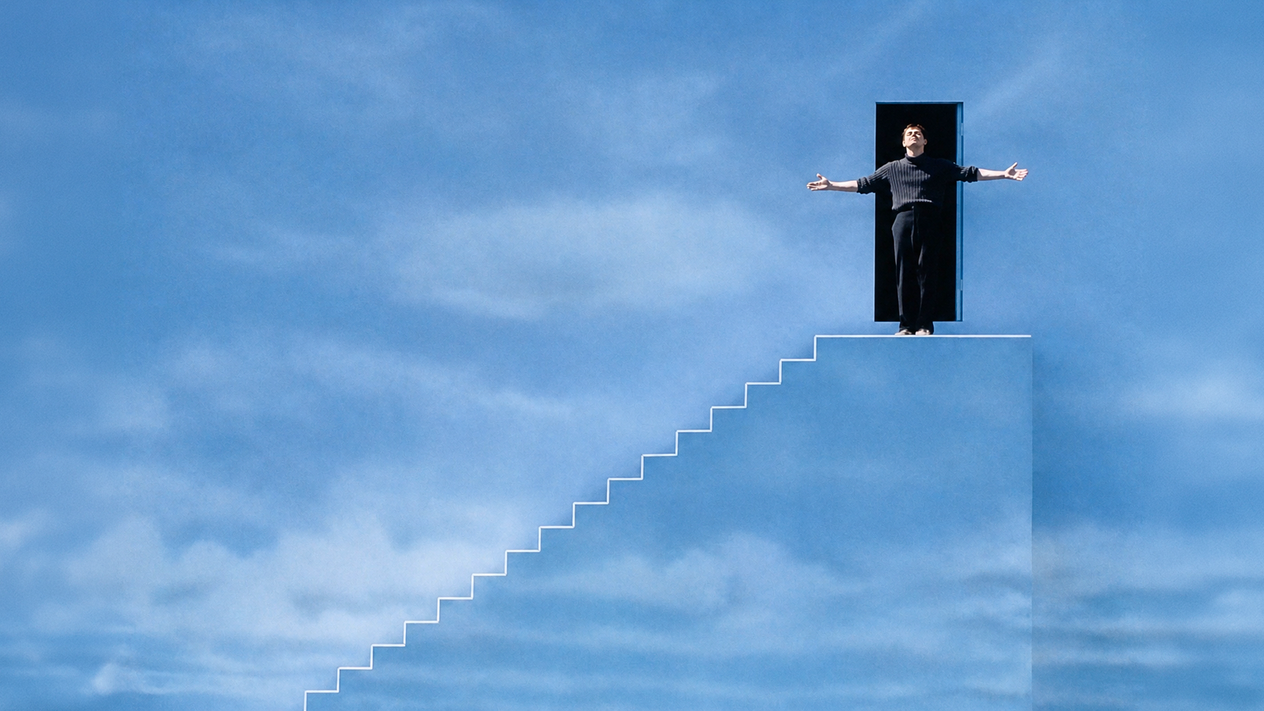
This is your uprising
So here's the invitation: next time two references on your moodboard have absolutely nothing to do with each other, an industrial stock photo next to a baroque sketch, brutalist type sitting on a pastel palette, and you feel the urge to cut the one that "doesn't make sense," don't. Leave it there. That uncomfortable friction is the only place a genuinely worthwhile idea can come from.
Creative rebellion isn't breaking things for drama's sake. It's refusing to let "that doesn't make sense" be the end of the sentence. It's picking the harder, weirder, more alive option, on purpose, in public, every damn time.
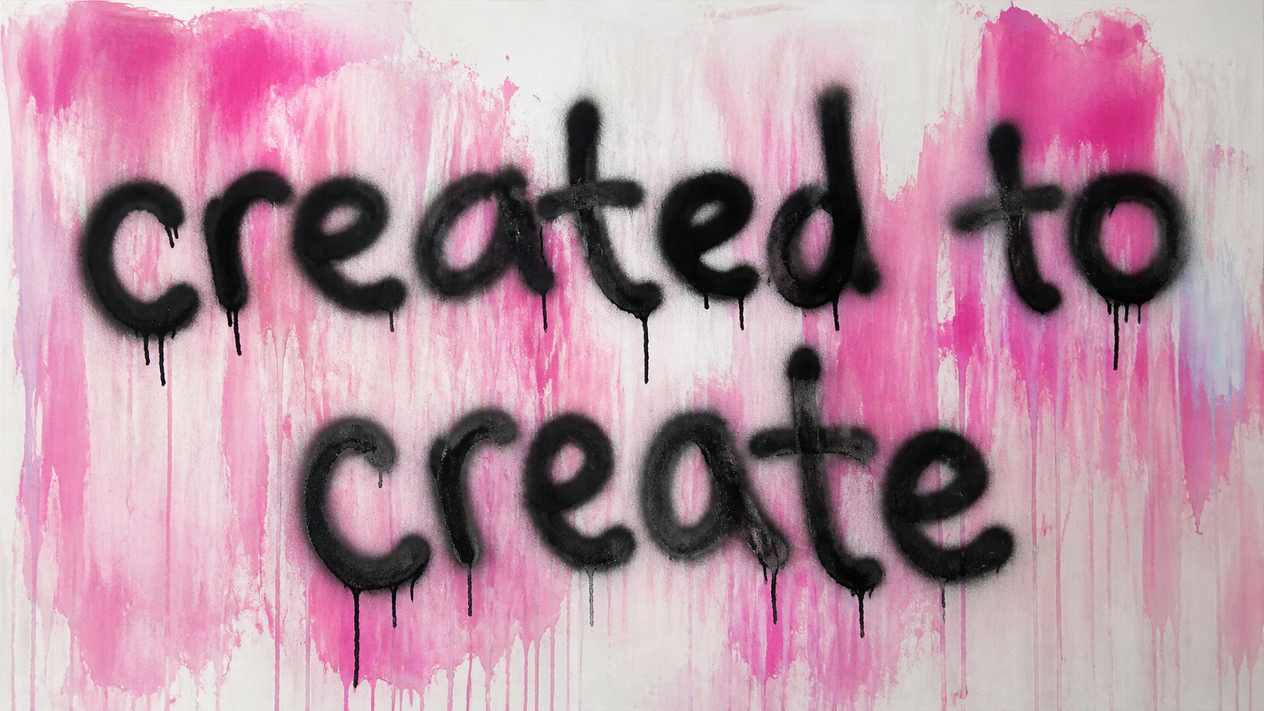
The Homework
Grab two things that have nothing to do with each other. Put them side by side. Don't look for the answer. Sit with the question long enough to see what it builds.
That's where the next great idea at nufero comes from, not from certainty, but from having the guts to stay curious past the point where it's comfortable.
This is the first in the series. If the raven and the desk got you thinking crooked, it already worked.