How to Build Momentum With One Piece of Content
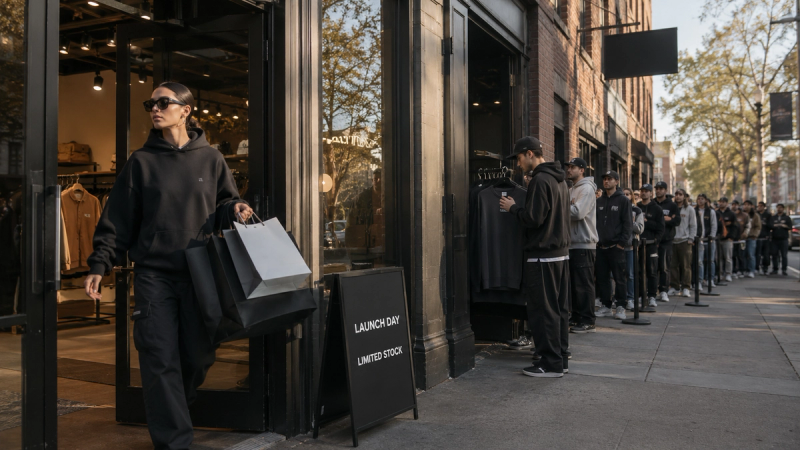
The brands that are quietly winning in 2026 are not the ones spinning out the most content. They are the ones that know how to turn one strong piece of creative into a month of intelligent touchpoints across ads, email, and social. One moment, many surfaces, one story.
Virality feels like a lottery ticket.
Momentum feels like infrastructure.
The brands that are quietly winning in 2026 are not the ones spinning out the most content. They are the ones that know how to turn one strong piece of creative into a month of intelligent touchpoints across ads, email, and social. One moment, many surfaces, one story.
This is not about recycling posts. It is about designing a system.
The Hero Moment
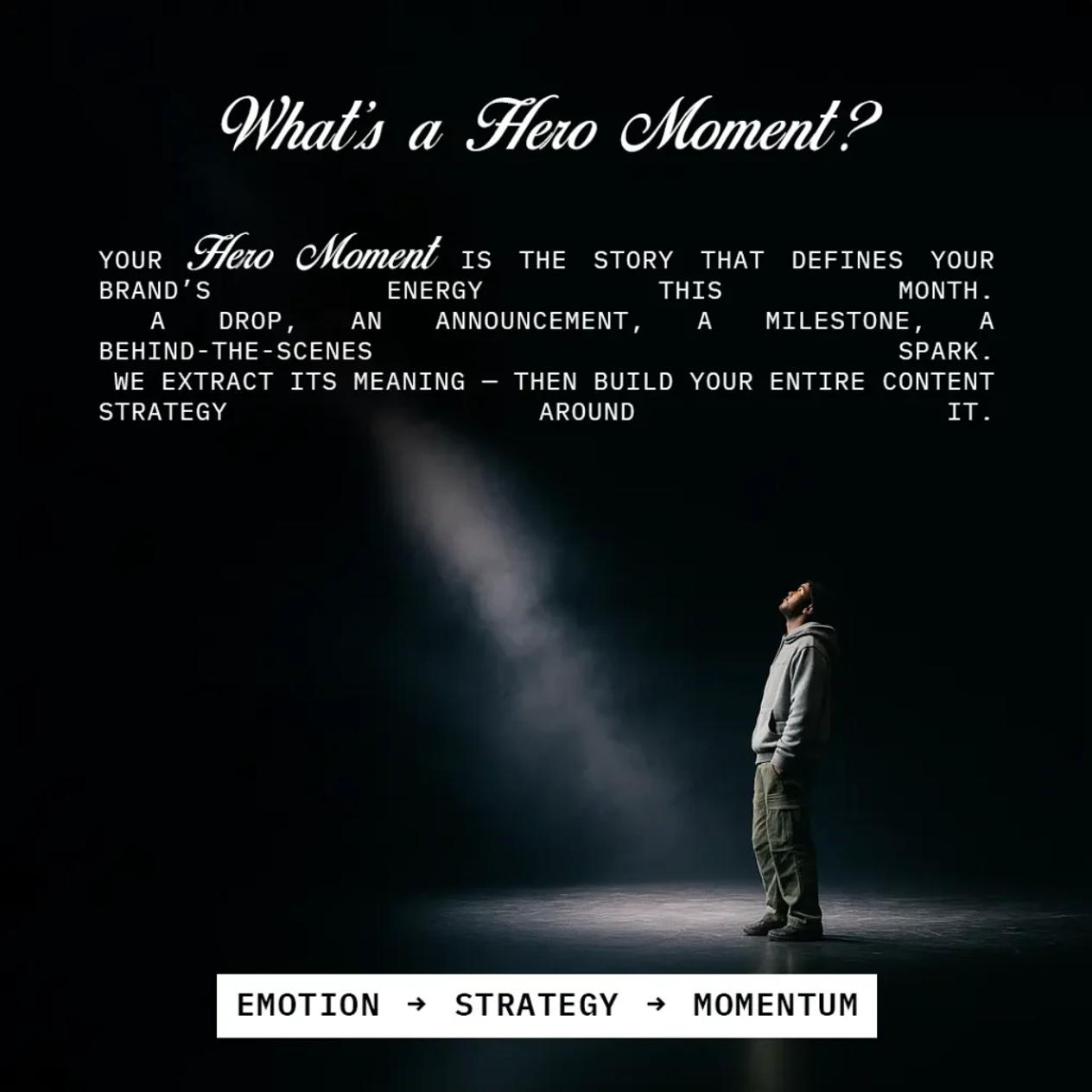
Every brand has one piece of content that could carry more weight than the rest.
A founder explaining the real reason the company exists.
A customer story that hits on fear, relief, and aspiration in one clip.
A visual sequence that finally makes the product feel premium and human at the same time.
That is the hero moment.
Instead of letting it perform for twenty four hours and disappear into the feed, you treat it like a master scene in a film. You pull angles from it, you pace it, you score it correctly.
In practice that means:
One long story becomes multiple short hooks.
One emotional beat becomes a set of ad openings.
One visual tone becomes the reference for the next thirty days of creative.
The hero moment is the core asset. The system is everything that happens after.
From Clip To Orbit, Not Just Repost
Most brands repost. Systems driven brands orbit.
Reposting is taking the same video and dropping it in three places with slightly different captions.
Orbiting is deciding what job that moment needs to do in each channel and building around it.
On Instagram, the clip becomes a talking head that opens with the most honest sentence from the moment. The caption unpacks the story and invites people to save and share.
On TikTok, the same scene is cut with faster rhythm and an opening that feels native to the feed. The comments are treated as a focus group that feeds back into the next edit.
On LinkedIn, the moment becomes a written breakdown of the decision behind the scene. Not the product, but the thinking. That establishes authority rather than chasing likes.
In ads, the same core idea is tested through multiple ad sets. One version leads with the emotional line. One version leads with the before and after. One version leads with the most concrete benefit. All of them feel like siblings of the original story, not random variations.
Now the brand is not shouting different things. It is saying one true thing in multiple ways.
Where Email Comes In
In 2026, email and SMS are where momentum either compounds or disappears. Paid reach can spike attention. Social can spark curiosity. Email is where you turn that attention into relationship and revenue.
The hero moment feeds your flows.
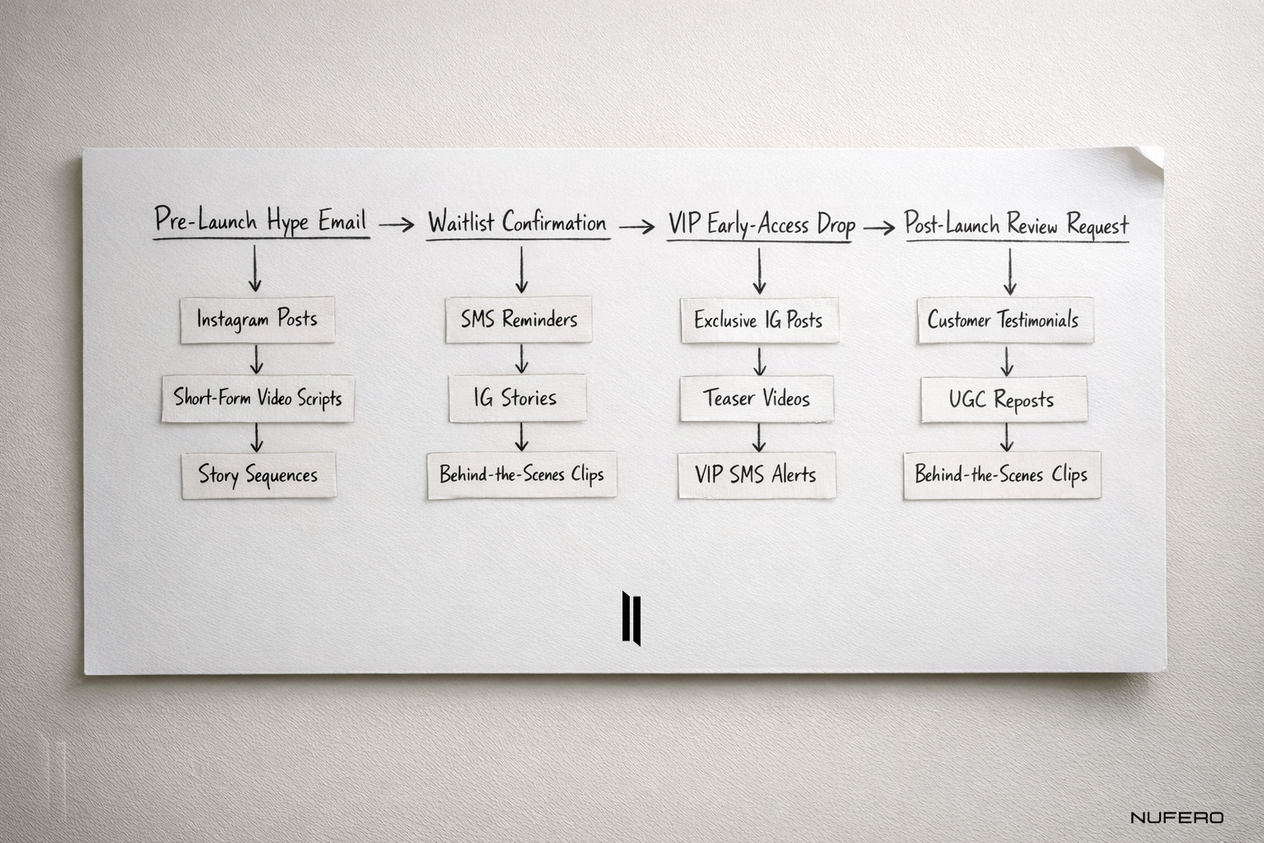
For a B2C brand, the clip that performed on social becomes the spine of a three part email sequence:
First email tells the story in a cinematic way and lets people see themselves inside it.
Second email pulls out one specific tension, like frustration with fake health claims or boring products, and shows how your universe is built differently.
Third email connects the arc to a clear offer that fits the emotion you have been building.
For a B2B brand, the same moment becomes a strategic case study in your newsletter. You walk through the insight, the risk, and the result. Then you link to a deeper breakdown of your process, like your article on building thirty days of content around one hero moment at nufero dot com.
In both cases, the email is not a recap. It is a continuation. People who first saw the clip on social now feel like they are inside the story, not just watching it.
A B2C Example
Imagine a functional beverage brand that captures a short scene of a real customer explaining how the drink fits into their daily ritual. The emotion is relief and recognition. They finally found something that works.
That clip gets sliced into several ad openings for different audiences. One for exhausted parents. One for people who have tried every supplement and still feel flat. One for gym goers who care more about performance than hype.
The same story becomes a feature in the brand newsletter, where the founder breaks down why they chose that customer and what they learned from their journey. The email ends with a simple invitation: try the product in the exact scenario the customer described.
Momentum here means that every channel is moving in the same emotional direction. Relief. Recognition. Trust.
A B2B Example
Now think of a creative studio that helps brands turn one hero idea into a full content and campaign engine. They record a behind the scenes walkthrough of how they did this for a client. That becomes the hero moment.
On LinkedIn they post a written version of the breakdown.
In email they send a deeper story to their list, including missteps and lessons.
In ads they test short segments of the clip as hooks to attract founders who are tired of random posting.
Across all of this, the studio is making one claim. Momentum is engineered. That line shows up in ad copy, email subject lines, and pitch calls. The story and the system are now inseparable.
This is exactly the kind of narrative that can connect directly to a process piece such as your guide on how to build thirty days of content around one hero moment.
What Makes This Different In 2026
The volume of content in the world has exploded. AI tools make that easy. What is rare is cohesion.
Platforms reward brands that hold attention from touchpoint to touchpoint. Algorithms watch how people move from social to site to email. They see when visitors scroll, click, save, and return.
When your hero moment is wired into your ad sets, your email flows, and your content calendar, you signal clarity. The metrics follow. Higher click through rates on campaigns that echo what people saw in your posts. Better open rates on sequences that continue a story rather than introduce a new one. More efficient ad spend because you are not testing a different idea every week.
Momentum becomes a performance edge, not just a creative philosophy.
How To Start Building Momentum From One Piece Of Content
First, choose one moment that feels true enough to carry your brand for a month. Not the most polished content. The most human.
Second, decide the job that moment will do on each channel. Awareness, authority, or conversion.
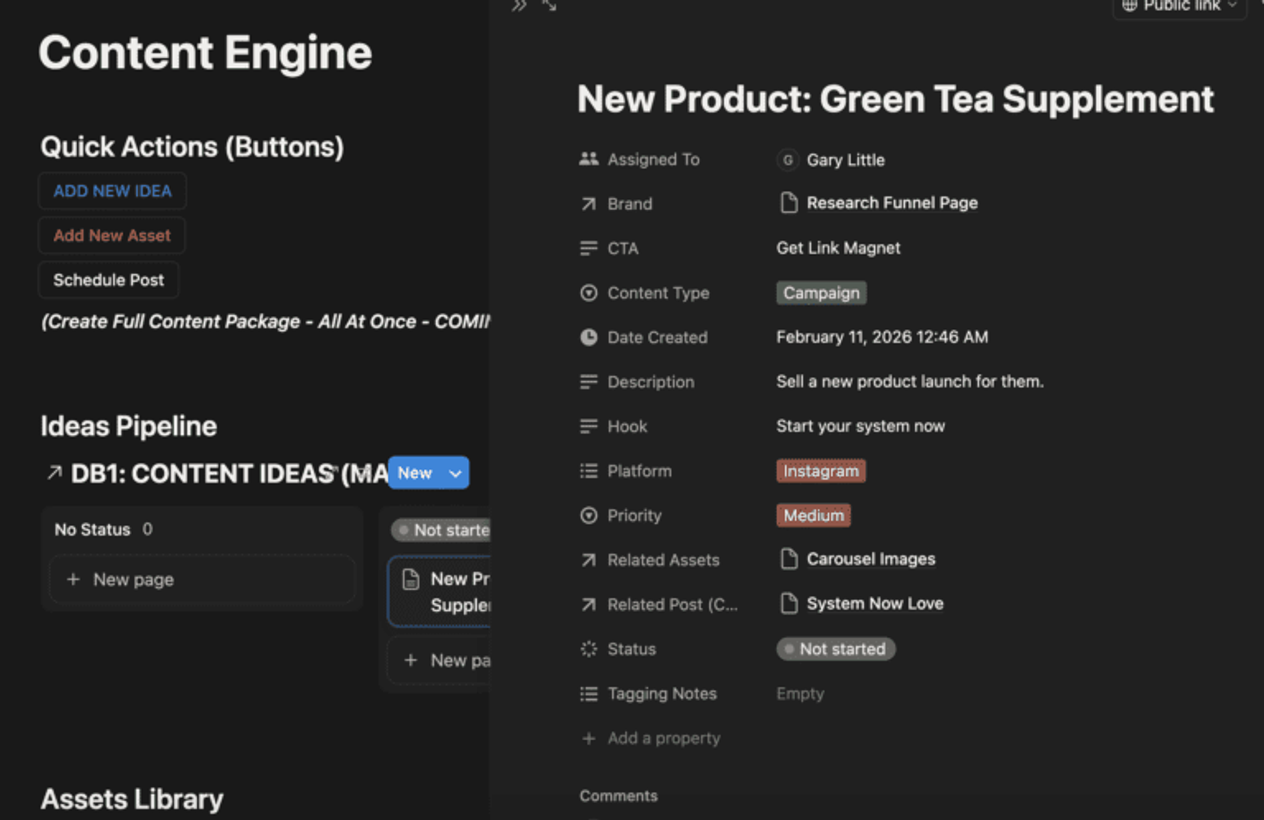
Third, wire it into your system. The ad account, the email flows, the content plan, the offers.
Fourth, study the data. Which opening line gets people to stop. Which angle gets people to click. Which email subject makes people reply. Then feed that knowledge back into the next hero moment.
Over time, your brand stops feeling like a series of posts. It starts feeling like a universe.
And that is when one piece of content can quietly rewrite your entire trajectory.