The Side Door: How the Right Email Turns Your Best Customers Into Most of Your Revenue
Your top customer and your one-time buyer are getting the same email. One refers a friend, one unsubscribes. The fix is not a bigger list.
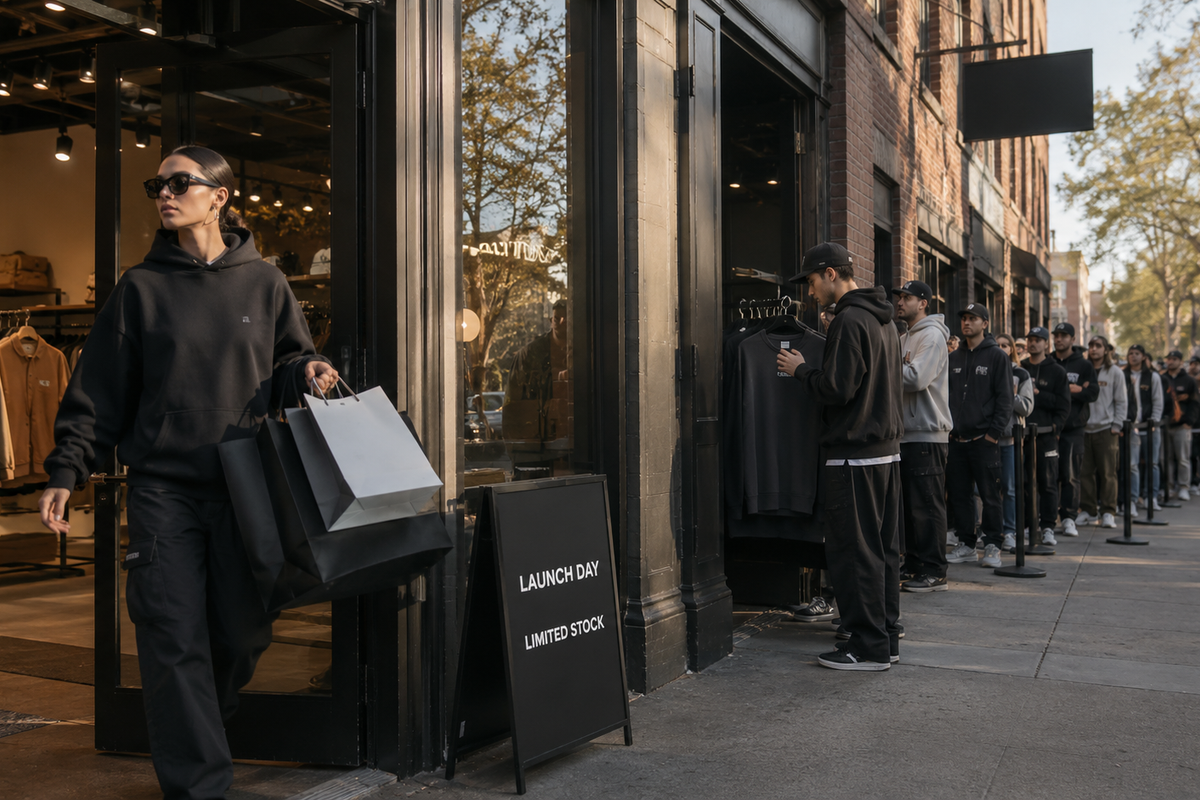
Picture a store on launch day.
Out the side door, one customer leaves early with an armful of bags. Relaxed, unbothered, first. Out front, a line stretches down the block, and the person who finally reaches the door grabs the one thing left on the rack.
Same store. Same day. Two completely different experiences. The only thing that separates them is which door they were sent to.
Most brands send everyone to the front. Same email, same discount, same "we miss you" to their best customer and to someone who bought a phone case once during a sale. Everyone in the same line, everyone shouting a little louder, everyone quietly wondering why it works less every year.
There's a side door. Almost nobody uses it. This is how.
Your best customers are carrying the business
Start with the number that reframes everything. Your top 15% of customers typically drive somewhere between 40 and 60% of your total revenue. A sliver of your list is funding the majority of your sales.
Those are your VIPs, and the word gets thrown around loosely, so let's be precise. A VIP is not "someone who spent a lot once." A customer who dropped $600 on one order and vanished is not a VIP. A VIP ranks in your top 15% across three things at the same time: how much they spend over their lifetime, how often they come back on their own, and how many other people they pull in through referrals and word of mouth. Real value, real loyalty, real advocacy. That combination is rare, and it is exactly what makes it worth protecting.
Here is the mistake nearly everyone makes. They email that 15% the identical blast they send to a one-time buyer. Same coupon, same tone, same line out front. You have a group of people quietly carrying your business, and you're treating them like they just walked in off the street.

How you find your VIPs
You don't find VIPs by scrolling your dashboard and trusting your gut. You find them in data you already own.
The raw material lives in two places most brands never cross. Order history gives you spend and frequency. Email and SMS engagement gives you attention. Referral and share activity gives you advocacy. Nearly every brand has all three sitting in Shopify and Klaviyo and never lines them up.
The standard first-pass tool is RFM: recency, frequency, monetary value. It ranks customers by how recently they bought, how often, and how much. RFM will hand you a decent shortlist of top spenders. But it has one blind spot: it only sees behavior. It tells you who bought, never why, never what they respond to, never which quiet customer is one good email away from coming back.
Close that gap, layer the why on top of the what, and the segment stops being a list of big spenders. It becomes a group you actually understand. You know they buy during drops. You know they respond to early access, not discounts. You know which door to send them to.
The email that opens the side door
Here is the move, made concrete.
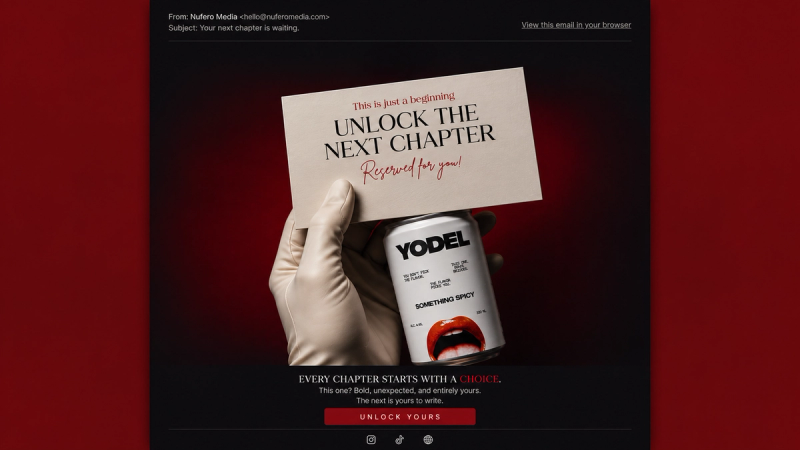
A streetwear brand, call it Kestrel, has a capsule dropping Friday. Instead of blasting the whole list at once, they send their top 15% an early access email 48 hours ahead. It reads roughly like this:
—————————————————————-
Subject: You're in before the internet is
Hey Maya, the Nightshift capsule goes live to everyone on Friday. You're getting it now. You've been with Kestrel since the second drop, so here it is: the full capsule, open to you for the next 48 hours before anyone else sees it. No code, no countdown gimmick. The door's just open for you a little sooner.
________________________________________________
Read it again and notice what's missing. No discount. No urgency theater. No "we miss you." The entire value is status and timing. You're in first, because you earned it.
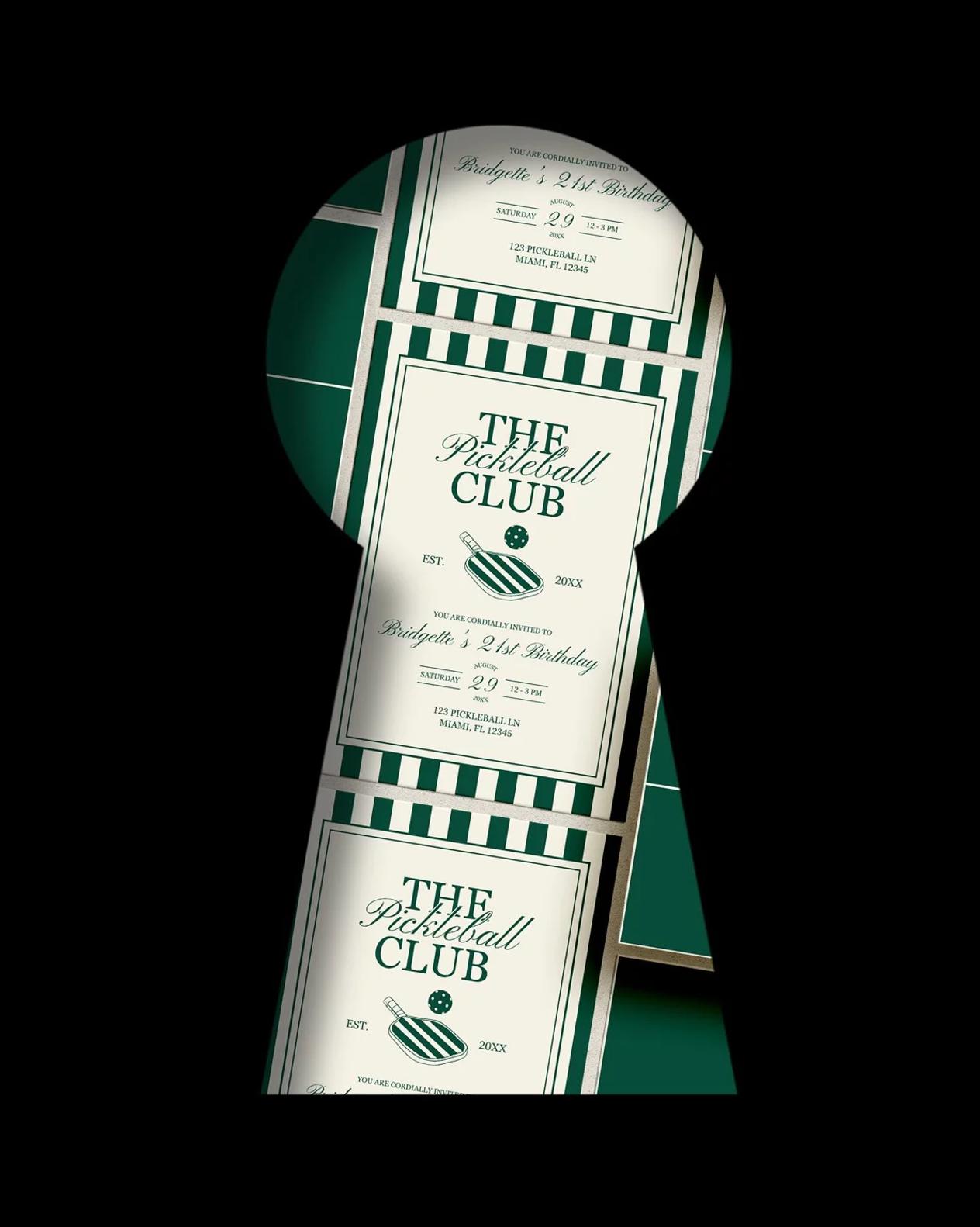
That email would be wasted on a stranger, who has no relationship to reward. On a VIP it lands like a door held open. And this is the part that matters for the inbox war: it doesn't compete with the "20% off" blast sitting right next to it. It sidesteps the fight completely. It isn't louder. It's on a frequency a discount can never reach.
A quick word on the email itself
The words are half of it. The build is the other half, and a few principles decide whether anyone actually clicks.
One email, one job. A high-converting email has a single call to action, repeated, not five competing links. The eye should never have to choose. The moment you add "and also see our new arrivals," conversion drops, because a confused reader clicks nothing.
The button is the message, not a footnote. People scan in an F-shape, so the call to action has to survive a three-second skim. That means a real button with high contrast, verb-first copy that names the reward ("Shop Nightshift early," not "Click here"), placed where the eye actually lands. If someone reads only the subject line and the button, they should still understand the whole offer.
Those two rules alone separate an email that gets opened and closed from one that gets opened and clicked.
What happens in the flow, and what it's worth
One email is a moment. The value is in what it starts.
The early access email goes to the top 15% two days before the public launch. The ones who open and buy get a short follow-up: a thank-you, maybe a first look at what's coming, reinforcing that they're inside. The ones who open but don't buy get a gentle nudge before the doors open to everyone. The rest of the list gets the standard launch email on Friday, none the wiser and none worse off.
The outcome compounds in three directions. Your VIPs buy first, so your best inventory moves through your best customers instead of getting picked over. And they don't buy one thing. Maya walks out the side door with an armful, because feeling like part of the brand is exactly what loosens the grip on the wallet. Then they come back for the next drop, because that feeling is the whole reason they stay.
Compare that to the alternative. Reactivating and keeping a customer you already have is worth several times what it costs to acquire a brand new one, and ad costs climb every year. The stranger you spent all that money to acquire might buy once and disappear. The VIP you sent to the side door resumes a pattern that pays out for years.
The takeaway
You cannot win the inbox by being louder than everyone in the line, because everyone in the line is already as loud as they can get. Volume is not a moat.
The way through is narrower, not louder. Find the 15% who drive most of your revenue, understand them well enough to know what actually moves them, and send them an email a stranger could never receive. One message, to the right people, that lands as status instead of noise.
That's the side door. Not a bigger megaphone out front. A quieter entrance, held open for the people who were always going to be worth the most.