Authentic Branding in the AI Era: How to Build Trust With Machines and Humans
Introduction: The Trust Shift Nobody Is Talking About
Introduction: The Trust Shift Nobody Is Talking About
For years, branding was about perception. Now, it is about verification. We are entering a moment where your brand is no longer judged only by people scrolling Instagram or visiting your website. It is increasingly judged by machines deciding what to show people before they ever see you. AI systems are becoming the first layer of trust. They summarize.
They recommend. They filter. And they do not care how clever your copy is. They care whether your brand is structurally credible. This is the quiet shift behind almost every media and marketing prediction for 2026. Authentic branding is no longer aesthetic. It is architectural.
What “Authentic Branding” Actually Means in the AI Era
Authenticity used to mean sounding human. Today, it means being verifiably real. AI systems evaluate brands using signals such as:
Consistency across platforms
Clear ownership and authorship
Demonstrated expertise
Evidence of real-world activity
Patterned behavior over time
In other words, authenticity is no longer claimed. It is inferred.
A brand that says the right things but lacks structure will lose to a brand that is quieter, clearer, and documented.
Why AI Changes the Rules of Trust
Search engines and generative models are moving from keyword matching to trust modeling. Instead of asking, “Does this page mention the topic?” AI asks, “Is this source reliable enough to recommend?”
That reliability is built through:
Repetition of core ideas across multiple formats
Depth instead of breadth
Signals of real usage, community, and continuity
This is why surface-level content strategies collapse in AI-driven discovery. You cannot out-publish the system. You have to out-structure it.
The New Trust Triangle: Humans, Machines, and Proof
To win in this era, brands must satisfy three layers simultaneously:
1. Human Trust
People still care about clarity, resonance, and relevance. But they are more skeptical than ever.
They look for:
Clear positioning
Confidence without hype
Proof of lived experience
2. Machine Trust
AI systems look for:
Clear topical focus
Credible authorship
Consistent semantic signals
This is where EEAT (Experience, Expertise, Authority, Trust) becomes operational, not theoretical.
3. Proof in the World
This is the missing layer most brands ignore.
Proof looks like:
Events
Collaborations
Community interaction
Press mentions
Visual documentation
AI favors brands that exist outside their own website.
Real-World Scenario: Two Brands, One Outcome
Brand A
Posts daily on social
Uses trending language
Runs ads aggressively
Has no clear hub or system
Brand B
Publishes fewer pieces
Documents campaigns and outcomes
Shows real collaborators
Has a clear archive of work
Brand B gets recommended by AI summaries. Brand A disappears into noise. Not because Brand B is louder. Because Brand B is legible.
How to Build Authentic Brand Trust Step by Step
Step 1: Reduce Your Narrative Surface Area
Most brands talk about too many things.
Choose:
One primary domain of authority
Three supporting themes
One recurring point of view
This creates semantic density, which AI understands better than variety.
Step 2: Create a Trust Hub, Not Just Content
Your website should not be a feed.
It should be a record.
A trust hub includes:
Long-form thinking
Case documentation
Frameworks and systems
Clear authorship
Step 3: Show Your Process, Not Just Outcomes
AI values transparency over perfection.
Document:
How decisions are made
Why certain strategies exist
What changed and why
This creates experience signals that machines and humans both recognize.
Step 4: Build Signals Outside Your Site
Authenticity compounds when echoed elsewhere.
This includes:
Thought leadership on LinkedIn
Interviews and collaborations
Community platforms
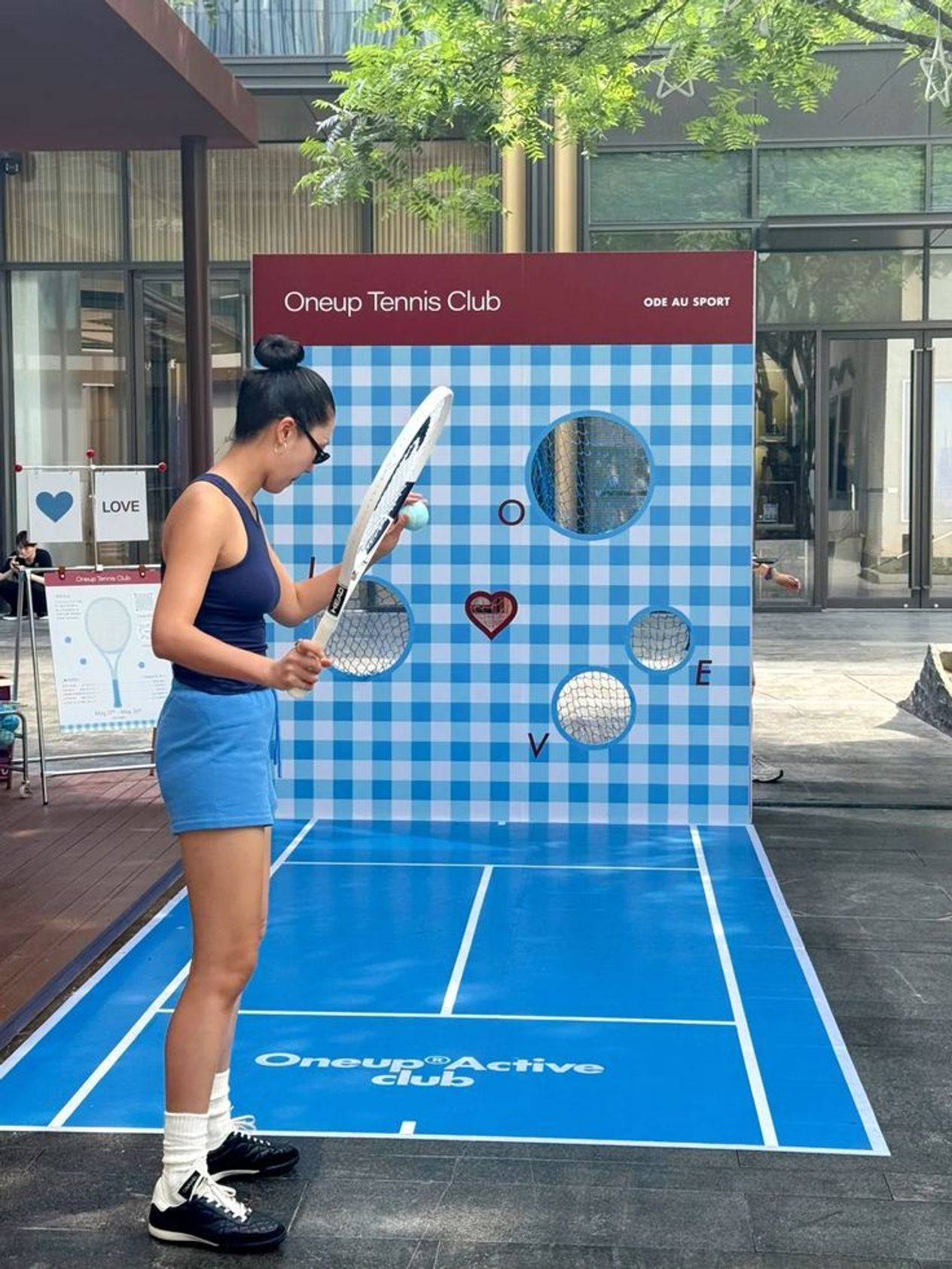
Events and IRL touchpoints
The Hidden Advantage: Trust Compounds Faster Than Attention
Attention spikes. Trust accumulates. When AI systems identify a brand as reliable, future content ranks faster, travels further, and requires less amplification. This is why authentic branding is not a “soft” strategy. It is a distribution advantage.
What Most Brands Get Wrong
They optimize for visibility first and credibility later. In the AI era, that order is reversed. Credibility creates visibility. Structure creates scale. Systems outperform tactics.
Final Thought: Authenticity Is No Longer a Vibe
It is a signal stack. Brands that win in 2026 will not be the loudest. They will be the clearest, the most documented, and the most consistent. Authentic branding is not about sounding human. It is about being undeniably real.